Use it or lose it: A good reason for non-use does not save an abandoned trademark
Trademark rights flow from use. Continued use of a trademark keeps the trademark alive and makes trademark rights stronger. As per the Lanham Act (the US Trademarks Act of 1946), suspension of use for three consecutive years may create a rebuttable presumption of abandonment. In the case of To-Ricos, Ltd. v. Productos Avíclolas Del Sur, Inc., we consider the nuances of trademark abandonment from non-use.

Background
Productos Avíclolas Del Sur, Inc. (PAS) used the illustrated “Pollo Picú” trademark (Picú mark) (depicted below) on its chicken products until 2011, but then stopped using the mark because of financial difficulties.
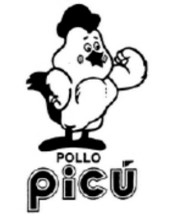
In 2016, To-Ricos, Ltd. (To-Ricos) applied to register the Picú mark, believing that PAS had abandoned it. PAS opposed To-Ricos’s trademark applications. To-Ricos sued PAS in the United States District Court for the District of Puerto Rico, seeking a declaration that it was the rightful owner of the Picú mark.
The district court concluded that PAS had abandoned the mark and granted summary judgment for To-Ricos. PAS appealed before the United States Court of Appeals for the First Circuit.
Don't miss a thing, subscribe today!
Stay up to date by subscribing to the latest IP insights from the experts at Fieldfisher.
The appeal
On appeal, PAS admitted it had not used the mark in commerce for at least three consecutive years before To-Ricos applied to register the mark but argued that its non-use of the mark was excused by a lengthy litigation with a bank.
In rejecting PAS’s argument, the appellate court viewed that non-use of a mark for three consecutive years created a prima facie case of abandonment, regardless of whether the non-use is excusable or not, and the presumed abandonment can only be rebutted by an intent to resume use of the mark in the reasonably foreseeable future. PAS’s purported reason for non-use may have explained why it stopped using the trademark but could not interrupt the statutory period of non-use or rebut the presumption of abandonment. PAS needed to produce evidence of an intent to resume use of the mark to rebut the presumption.
PAS further asserted that it possessed the intent to resume use of the mark based on its attempted sale of the mark, its unencumbering the mark, and its entry into a licensing agreement with IMEX.
The court, after examining the alleged conduct of PAS, found that it did not satisfy PAS’s burden of proof on the intent element in rebutting the abandonment presumption.
In particular, PAS argued that it sought to sell its assets, including the mark to To-Ricos in 2012, during which negotiations, PAS expressed its intention to either “reopen” production or “do something with the assets”. The court determined that PAS’s attempted sale of the mark was not relevant because it occurred before the three-year statutory window between 2013 and 2016, and PAS’s intention was too vague to indicate if and when they might restart chicken production in future.
PAS also argued that its effort to unencumber the mark from the foreclosable assets in its settlement agreement with the bank showed its intent to resume use of the mark. However, the court held that PAS’s protection of the mark from being foreclosed by the bank neither spoke to its intent of use nor indicated when or how it would use the mark. It was therefore not possible to infer PAS’s intended resumption of use of the mark in a relatively narrow time window period, considering the ephemeral nature of chicken products.
Finally, PAS contended that its license agreement with IMEX provided evidence of an intent to resume use of the mark. However, the court found PAS’s position problematic, firstly because the license agreement was entered into after the statutory period of non-use had elapsed, and secondly because PAS had failed to exercise actual control over the nature and quality of IMEX’s Picú-branded products, despite PAS having some contractual right to control that under the licensing agreement.
Comment
This case is a reminder that in trademark law - use it or lose it. There are various lessons to be learnt from this case. Firstly, never stop using your trademark for a period of three consecutive years. Secondly, even if you have to cease using your trademark for reasons beyond your control, always prepare to resume use of the mark in the reasonably foreseeable future and keep a record of your express intent to do so. Thirdly, if you feel you have lost your proprietary right to your trademark, consider refiling your trademark application as early as possible, but no later than your competitor does.